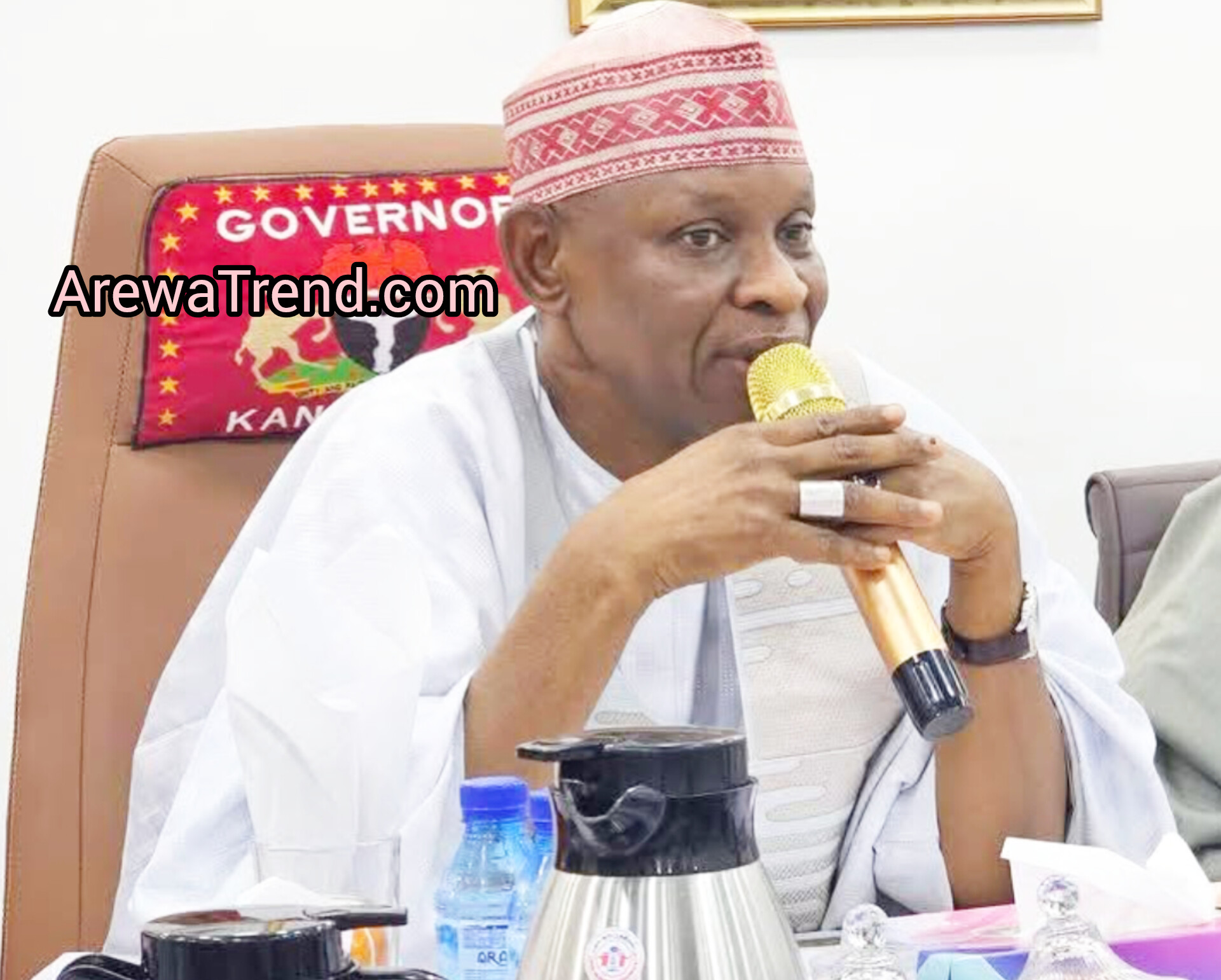
Kano State is one of the most politically influential states in Nigeria. The state has a very large population and is considered one of the key regions where politics plays a major role in determining leadership at the national level. Because of its large number of voters and the influence of both traditional and political leaders, Kano plays an important role in presidential and gubernatorial elections in Nigeria.
The history of politics in Kano dates back to the period before Nigeria gained independence in 1960. During that time, major political parties such as Northern People’s Congress dominated politics across Northern Nigeria. Traditional rulers and Islamic scholars had significant influence in guiding the people on political matters and elections. After independence, Kano continued to remain a strong political center in the northern region, producing many influential political figures.
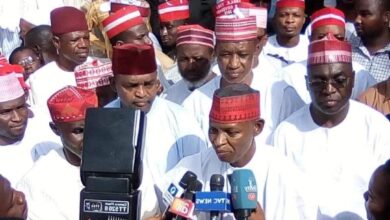
In recent decades, Kano politics has experienced several changes and political rivalries. Prominent politicians such as Rabiu Musa Kwankwaso and Abdullahi Umar Ganduje have played major roles in shaping the political direction of the state. Kwankwaso, a former governor of Kano, built a strong political movement popularly known as the Kwankwasiyya movement, which has had a powerful influence in the state’s politics. On the other hand, Ganduje served as governor from 2015 to 2023 and governed the state under the All Progressives Congress.
The 2023 election introduced another significant development in Kano’s political landscape. In that election, Abba Kabir Yusuf won the governorship election under the platform of the New Nigeria Peoples Party. His victory demonstrated the competitive nature of politics in Kano and showed that voters in the state can shift their support from one political party to another.
Today, politics in Kano often revolves around major public issues such as education, economic development, job creation, and security improvement. Kano is one of the most important commercial centers in Northern Nigeria, with major markets such as Kantin Kwari Market and Dawanau International Grain Market playing a crucial role in the regional economy. Because of this, political policies in the state are often closely linked to trade development and economic growth.
However, politics in Kano is not without challenges. Political party conflicts, disagreements among political leaders, and court cases related to election results are issues that occasionally arise. Despite these challenges, the people of Kano continue to play an active role in strengthening democracy within the state.
In conclusion, the politics of Kano State has a significant influence not only within the state itself but also across Nigeria. Due to its large population, deep political history, and the number of influential politicians who come from the state, Kano will likely continue to remain one of the most important political centers in Nigeria.
The Dynamics of Kano State Politics: A Comprehensive Analysis
Kano State stands as the undisputed nerve center of Northern Nigerian politics and a critical strategic hub for national elections. Known for its “mass-based” political culture, Kano is a territory where the common man (the Talaka) wields significant influence over the political landscape.
1.The Foundation: The Legacy of Mallam Aminu Kano
Modern Kano politics is rooted in the “Sawaba” ideology, pioneered by the late Mallam Aminu Kano through the NEPU and PRP parties. This philosophy centers on social justice, the empowerment of the masses, and resistance against oppression. To this day, any political movement seeking success in Kano must align itself with the interests of the common people to gain legitimacy.
2.The Rivalry: Kwankwasiyya vs. Gandujiyya
Over the last fifteen years, the state’s political narrative has been dominated by two major factions:
- The Kwankwasiyya Movement: Led by Senator Rabiu Musa Kwankwaso, this movement is famous for its “Red Cap” identity. It focuses heavily on human capital development, particularly through overseas scholarships and massive infrastructure projects.
- The Gandujiyya Faction: Led by former Governor Abdullahi Umar Ganduje. This administration left its mark through urban expansion and the construction of numerous flyovers and complex road networks aimed at modernizing the ancient city.
3.The Intersection of Royalty and Governance
A unique and evolving chapter in Kano politics is the relationship between the state government and the Kano Emirate. The restructuring of the emirate into five distinct domains under the Ganduje administration, and its subsequent reinstatement to a single emirate under Governor Abba Kabir Yusuf, highlights how deeply intertwined traditional institutions and partisan politics have become.
4.The Digital Shift: Youth and Social Media
Kano is a bustling hub for trade and technology in the North. Recently, there has been a massive shift toward digital political engagement. Platforms like TikTok, Facebook, and local radio have become the primary battlegrounds for political discourse. This has made Kano’s political climate highly volatile, as public opinion can shift rapidly through viral content and grassroots digital mobilization.
5.Challenges and the Future Outlook
Despite its vibrant nature, Kano politics faces persistent hurdles:
- Political Thuggery: The involvement of youth in election-related violence remains a concern for stakeholders.
- Economic Accountability: Voters are increasingly demanding tangible solutions to unemployment and the rising cost of living as a condition for re-electing leaders.
Conclusion
Politics in Kano is more than just an election cycle; it is a way of life. Currently, with the NNPP holding the reins of the state and the APC serving as a formidable opposition, the road to 2027 promises to be one of the most competitive and closely watched political contests in West Africa.
Which news caught your attention the most? Let us know in the comments.